Two Speeds, One Inbox: What Your Response Style Is Really Saying
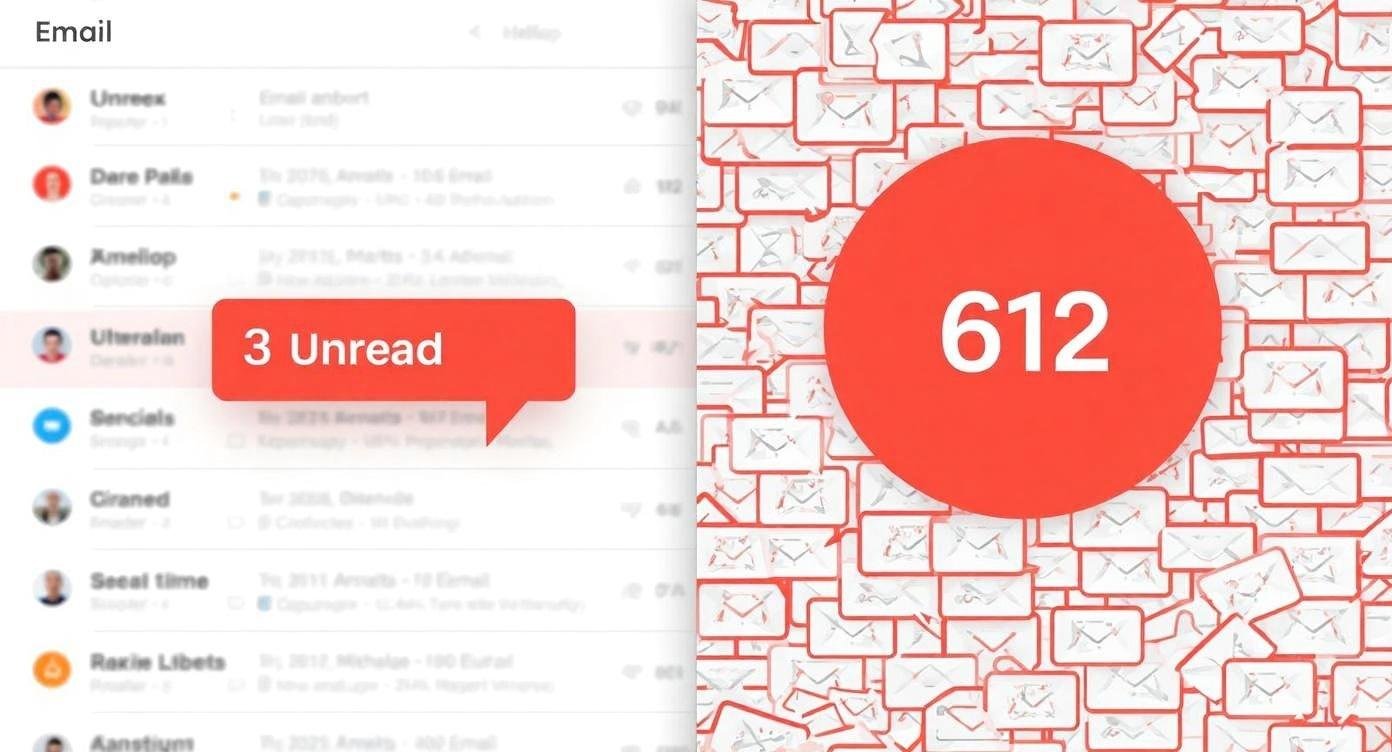
Let’s talk about the modern workplace pressure cooker.
The inbox.
Some people respond like they are on a game show buzzer.
Others treat email like a slow-cooker situation. Set it. Forget it. Check back when inspired.
And both sides are quietly judging each other.
One thinks, “If you cared, you’d respond.”
The other thinks, “If it were important, you’d calm down.”
Neither is wrong. And neither is fully right.
The Fast Responders
You know who you are.
You reply quickly. You follow up. You close loops. An unanswered email lives rent-free in your brain and starts pacing around like it owns the place.
You are not trying to be demanding.
You are trying to be responsible.
From a psychological standpoint, you are internally regulated. Open loops create tension, and responding is how you restore order. It is less about urgency and more about integrity.
But here is where things go sideways.
Your follow-ups sometimes sound like this:
Subject: Status?
“Just checking in on this.”
You meant efficiency.
It landed like a raised eyebrow.
The problem is not your speed.
It is that urgency without context can feel like pressure without compassion.
Your blind spot is assuming everyone experiences unfinished business the way you do.
They do not.
The Slow Responders
Now let’s talk about the other side.
You do not rush. You value autonomy. You respond when there is something meaningful to say. You genuinely do not feel stressed by silence.
You are not disengaged.
You are selective.
Psychologically, this is about protecting bandwidth. You regulate pressure by deciding when something deserves your energy.
But here is the part that rarely gets acknowledged.
While you are calmly living your life, someone else is hovering over their inbox like a contestant on Survivor waiting for the immunity idol.
Your silence sounds like this to them:
“Am I annoying?”
“Did I do something wrong?”
“Do I matter here?”
You did not intend that message.
But silence always sends one.
Your blind spot is forgetting that responsiveness builds trust even when there is no immediate benefit.
When These Two Collide
This is where the real fun begins.
Fast responder follows up.
Slow responder feels monitored.
Slow responder replies curtly.
Fast responder reads tone.
And now we are no longer talking about work.
We are talking about nervous systems.
This is not a communication issue.
It is a mismatch in how people manage responsibility and pressure.
One generates urgency internally.
The other waits for urgency to be externally defined.
Neither is broken.
Both become problematic when unaware.
How This Actually Shows Up at Work
Fast responder email:
“I sent this yesterday and haven’t heard back.”
Translation:
“I am uncomfortable with the silence and want to move forward.”
Slow responder inbox experience:
They saw it.
They meant to reply.
Then a meeting happened.
Then another meeting.
Then suddenly it is three days later and now it feels awkward.
Cue - avoidance.
Meanwhile, the fast responder is emotionally drafting their resignation letter in their head over a two-sentence email.
This is how resentment is born. Quietly. Politely. With a subject line that says “Following up.”
The Reframe That Saves Everyone
The solution is not to become someone else.
It is to become more intentional.
If you are fast:
Add context, not pressure.
State why you need the information.
Resist rescuing people from discomfort that is not yours.
If you are slow:
Acknowledge receipt.
Give a realistic timeline.
Remember that silence feels heavier than you think.
A simple “I saw this and will circle back by Thursday” can prevent three days of unnecessary stress and one passive-aggressive calendar invite.
The Real Takeaway
This is not about productivity.
It is about trust.
Fast responders are not controlling.
They are wired for closure.
Slow responders are not careless.
They are wired for autonomy.
When we stop assuming intent and start naming expectations, work gets easier. Relationships get cleaner. And inboxes stop feeling like emotional minefields.
And maybe, just maybe, we all stop reading tone into a three-word email that someone sent between meetings while inhaling a protein bar.
Now that would be real progress.
If this made you nod, laugh, or recognize yourself a little too clearly, stick around.
Subscribe to the blog for more real-world insights on how we work, lead, and relate.
Curious what type of Inbox Responder you really are? Take the Quiz